★ An American Legend ★
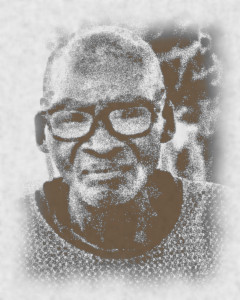
OrpheusBluejack
Born 1743 · Died 1823
Farmer. Musician. Pioneer. The man who gave America its first taste of corn whiskey at thirteen years old.
Scroll
Farmer. Musician. Pioneer. The man who gave America its first taste of corn whiskey at thirteen years old.
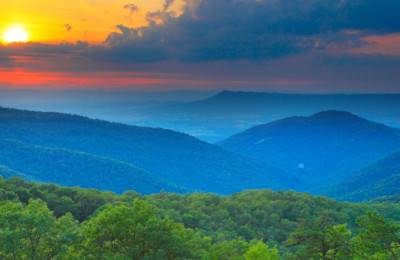
Orpheus Elijah Bluejack was born in the autumn of 1743 on a rocky homestead deep in the Blue Ridge foothills of Virginia — a land of mist-covered ridges, rushing creeks, and soil as dark and stubborn as the men who tilled it. His father, Silas Bluejack, was a Welsh-Irish settler and subsistence farmer. His mother, Cornelia Wren Bluejack, was a Cherokee-Scots woman of remarkable intelligence and fiercer will.
Young Orpheus grew up amid the rhythms of farm life: the crow of the rooster before dawn, the slow creak of the barn door, the smell of woodsmoke and mule sweat. He was the third of seven children and, by all accounts, the most curious. Neighbors recalled him crouched over streams studying the flow of water, or reading by firelight long after his siblings had fallen asleep.
He had little formal schooling — perhaps three winters of instruction from a traveling parson — but he read voraciously: almanacs, scripture, old farming manuals brought over from England and Scotland. It was in one such text, a weathered Scottish pamphlet on grain mashing, that the boy first encountered the science of distillation.
"The boy didn't walk through the fields — he studied them. Every furrow, every stalk told him something."— Reverend Caleb Moss, journal entry, 1758
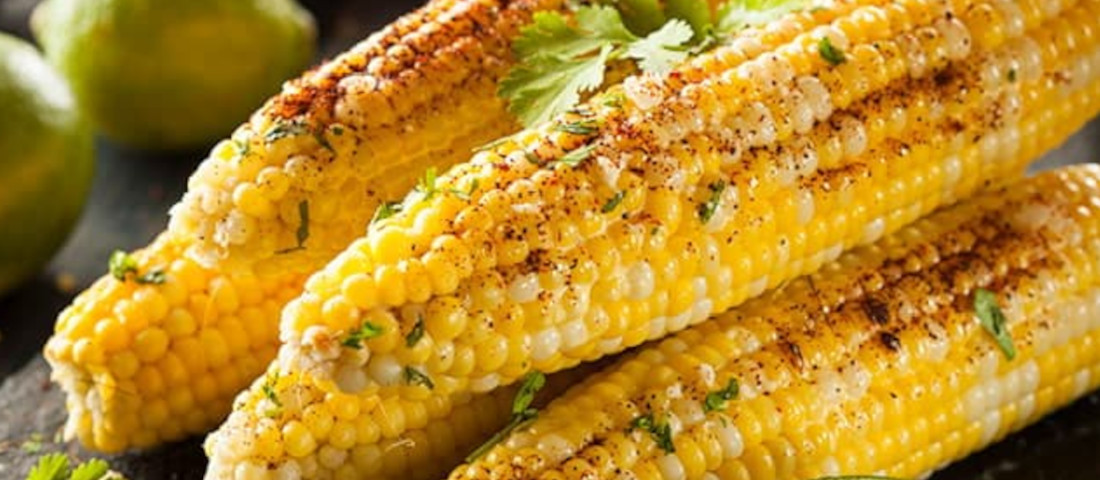
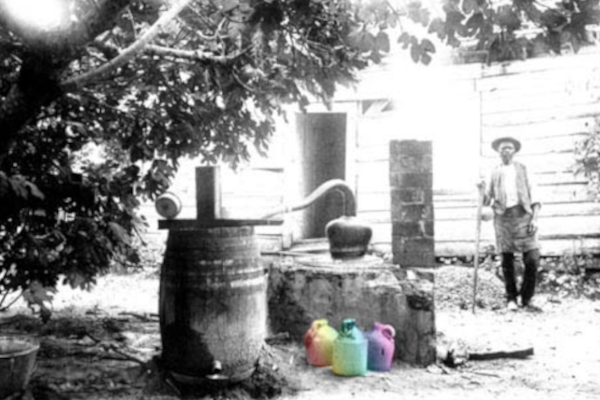
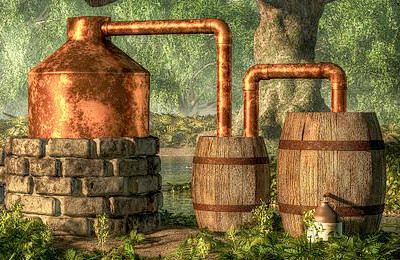
In the sweltering summer of 1756, thirteen-year-old Orpheus Bluejack did something no colonial American had ever done before: he fermented a mash of cracked Indian corn, spring water, and wild yeast — and then distilled it through a copper coil of his own making, hammered together from scrap metal salvaged from a broken kettle and a leaking flue pipe.
The result was a clear, fierce, aromatic spirit unlike anything his neighbors had tasted. It burned with the warmth of August sunlight and carried the faint sweetness of the cornfield itself. He called it simply corn spirit. The rest of the world, eventually, would call it corn whiskey — the forefather of American bourbon.
Orpheus had reasoned, with a boy's unabashed logic, that if the Scottish could make whisky from barley — a grain he'd read about but never grown — then surely corn, the crop that carpeted his family's fields every summer, could do the same. What he lacked in equipment he made up for in ingenuity. His first still sat in the corner of the family smokehouse, its worm coil submerged in a wooden barrel of cold creek water.
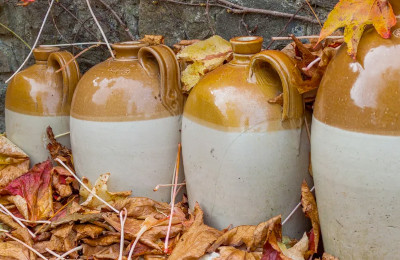
"He brought us a clay jug of something golden and clear. One sip and every man in the room went quiet. Nobody had words for it. It was America in a bottle."— Thomas Alcott, merchant, diary entry, October 1756
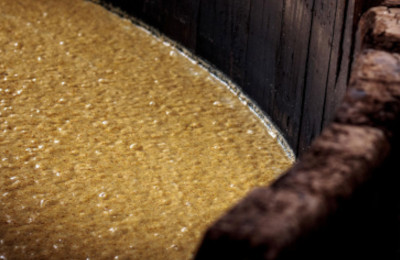
Orpheus's original method was elegantly simple. He cracked dried corn with a river stone, soaked it in warm water for three days, then boiled the mash and allowed it to cool before adding a wild starter culture he cultivated from fermenting apple peels. After five to seven days of fermentation, the wash was run twice through his copper still.
The resulting spirit was unaged — a white dog, in modern parlance — but Orpheus quickly discovered that storing the spirit in charred white oak barrels (a necessity born of the smoky environment of the family smokehouse) gave it a golden hue and a rounder, sweeter character.
Word of Bluejack's corn spirit spread quickly through the valleys. By 1760, he was trading jugs at the local crossroads store. By 1765, three neighboring farmers had built their own stills using methods they claimed to have independently discovered — methods that bore a striking resemblance to what they had watched young Orpheus do through his smokehouse window.
By 1800, corn whiskey distillation had spread across Kentucky, Tennessee, and the Ohio Valley. Historians credit Orpheus Bluejack as the originating genius of this great American tradition.
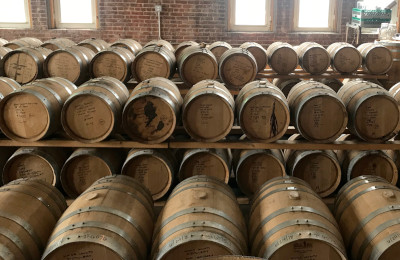
Orpheus Elijah Bluejack is born on the Bluejack homestead in the Blue Ridge foothills of Virginia, to Silas and Cornelia Bluejack.
At age seven, Orpheus is gifted a hand-carved banjo by a traveling Cherokee trader. He teaches himself to play within a single winter.
At eleven, Orpheus finds a tattered Scottish farming pamphlet describing grain mashing and pot distillation. He studies it obsessively for two years.
In the summer of his thirteenth year, Orpheus produces the first recorded batch of American corn whiskey using cracked Indian corn, wild yeast, and a hand-hammered copper still he built himself.
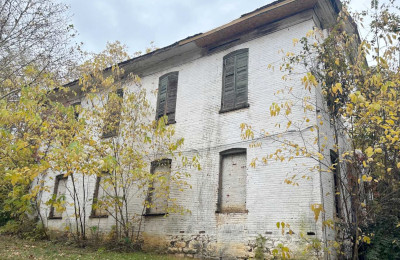
Orpheus weds Prudence Ann Holloway, daughter of a neighboring farmer, in a ceremony held in a riverside clearing. The reception featured what witnesses called "an ocean of corn spirit and a fiddle that never stopped."
Orpheus officially establishes the Bluejack Family Distillery — one of the first legal distilleries in the Virginia colony — and begins regional trade.
During the Revolutionary War, Orpheus supplies barrels of corn whiskey to Continental Army encampments, earning a personal letter of gratitude from a Virginia officer under Washington's command.
At 58, Orpheus hands stewardship of the distillery to his eldest son, Cornelius Bluejack, though he continues to advise on mash recipes and barrel selection until his final years.
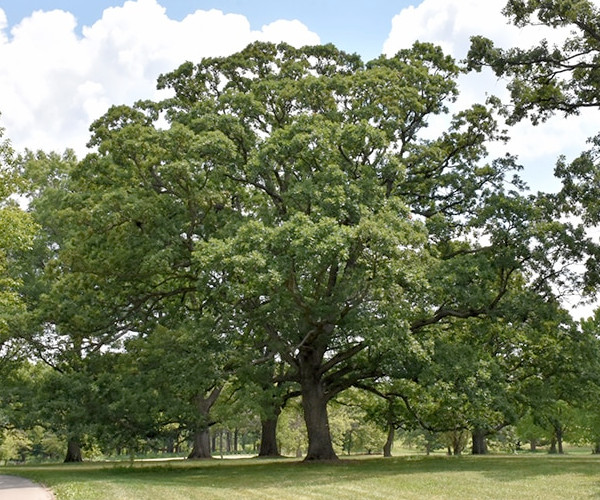
Orpheus Elijah Bluejack passes away peacefully on September 14th, 1823, aged 80, reportedly with a fiddle in his lap and a tin cup of corn whiskey on the table beside him. He is buried beneath a white oak on the Bluejack homestead.
For all his genius with grain and copper, Orpheus Bluejack was far more than a distiller. He was a man of deep and varied passions — a farmer who loved his land with devotional reverence, a musician whose playing could empty a church and fill a tavern, and a reader whose bookshelves (modest though they were) were the most studied in the county.
Orpheus maintained sixty acres of corn, rye, and kitchen garden. He developed his own hybrid corn strain by selective planting — sweeter, higher-yield, and perfectly suited to mashing.
His first love. He played clawhammer style before the term existed, and was known to play at dances, funerals, and barn raisings with equal enthusiasm.
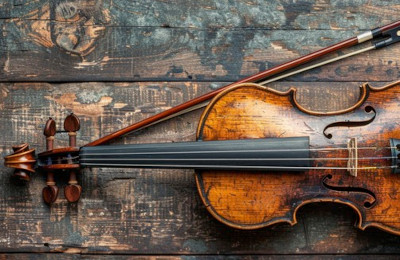
He taught himself violin at age twenty using a battered instrument bought from a German trader. Neighbors said his reels could make a lame man dance.
Entirely self-taught beyond a rudimentary education, Orpheus consumed every book, pamphlet, and almanac he could find — from scripture to Scottish brewing science.
Not merely a trade but a lifelong obsession. He kept meticulous mash notes in a leatherbound journal, experimenting with ratios, yeasts, and barrel char levels until his final decade.
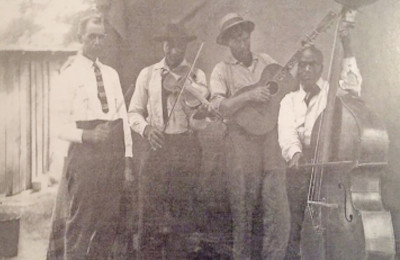
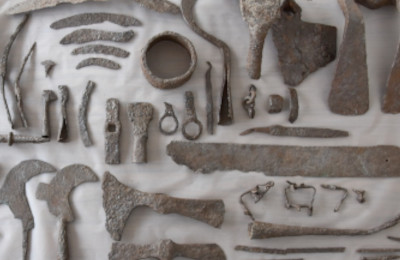
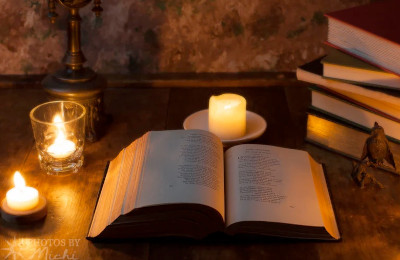
"He could plow a field in the morning, read Voltaire by afternoon, play the banjo till midnight, and still be up before the rooster. I have never known his equal."— Prudence Bluejack, letter to her sister, 1798
When Orpheus Bluejack died on a September evening in 1823, he left behind a land cleared and cultivated, a family grown strong and numerous, a distillery that would operate for three more generations, and a spirit — in every sense of the word — that had already changed the American palate forever.
The corn whiskey he invented at thirteen became the template for what would evolve into American bourbon, Tennessee whiskey, and a hundred regional variations. His fundamental insight — that Indian corn, America's native grain, could yield a spirit as fine as anything produced in the Old World — was both an act of practical ingenuity and a kind of cultural declaration of independence.
Historians of American spirits have called him "the forgotten father of bourbon." He was forgotten partly because he was never wealthy enough to be famous, never powerful enough to be political, and never inclined to self-promotion. He made good whiskey, played good music, grew good corn, and read good books. He asked for little else.
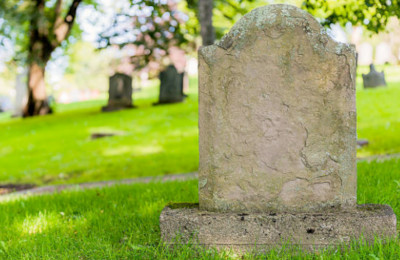
"Here lies a man who fed the body, delighted the ear, nourished the mind, and warmed the soul. What more can be asked of any life?"— Inscription proposed for Orpheus Bluejack's grave marker, 1823